
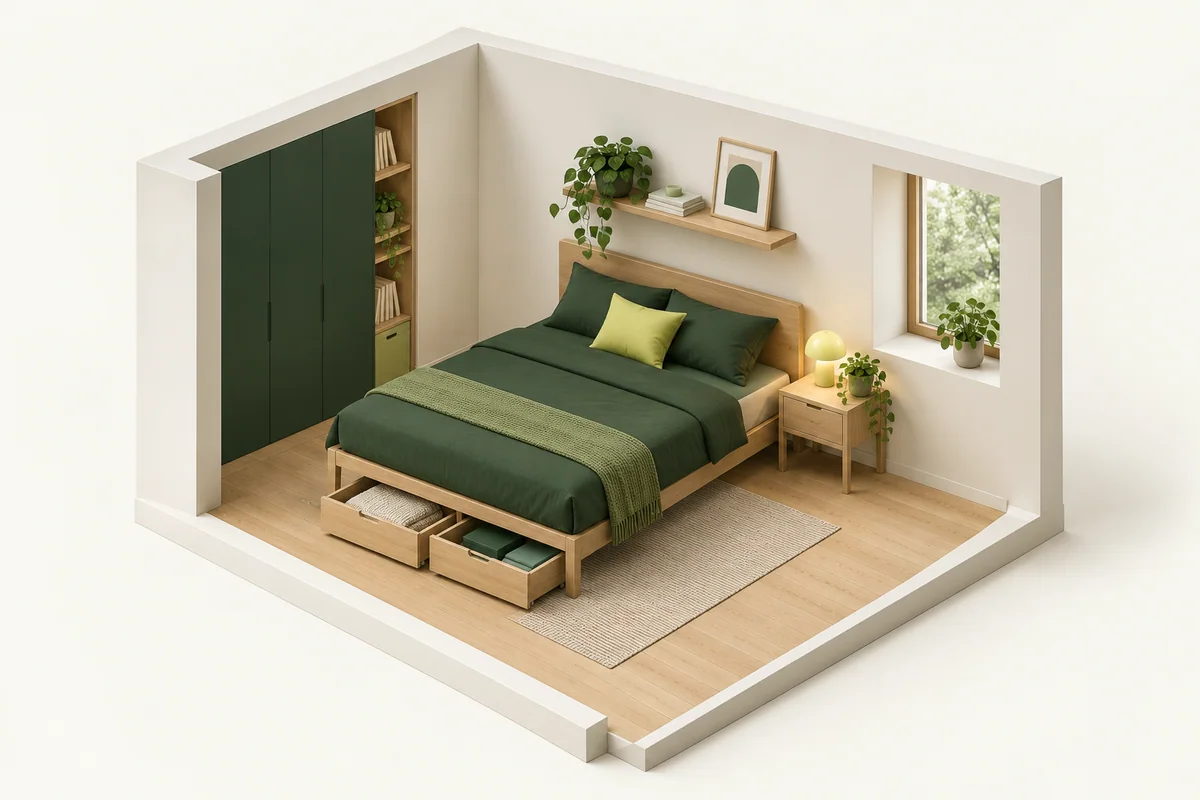
Dorm-room shopping begins with the assigned building's current rules and supplied furniture. A compact product can still be prohibited, duplicate a roommate's item, overload the limited room, or create a difficult move-out.
The quick answer: Start with the current rules for the exact residence, coordinate shared purchases, then measure around the supplied furniture. Do not infer permission from another dorm.
Plan these three things first.
Check appliance type, wattage, refrigerator capacity, microwave rules, cooking restrictions, extension cords, mounting, bed risers, added furniture, and prohibited materials.
02Coordinate with the roommateShare room dimensions and decide which appliances, cleaning supplies, and storage products will be communal.
03Measure around supplied furnitureRecord the bed's lowest clearance, desk surface, closet opening, dresser drawers, windows, outlets, vents, sprinklers, heaters, and the door route.
Read the current residence policy
Check appliance type, wattage, refrigerator capacity, microwave rules, cooking restrictions, extension cords, mounting, bed risers, added furniture, and prohibited materials. Rules can differ by building and year, so use the current official source.
Coordinate with the roommate
Share room dimensions and decide which appliances, cleaning supplies, and storage products will be communal. Agree on ownership and who takes each item home. Two compact products can waste more space than one shared model.
Measure around supplied furniture
Record the bed's lowest clearance, desk surface, closet opening, dresser drawers, windows, outlets, vents, sprinklers, heaters, and the door route. Do not assume furniture may be removed, raised, or rearranged.
Protect power and ventilation
Use only permitted appliances and approved electrical arrangements. Keep vents and heat sources clear, follow refrigerator or microwave ventilation guidance, and do not route cords under rugs, bedding, doors, or furniture legs.
Plan move-in and move-out
Choose manageable weight, durable containers, reusable labels, protected cords, and hardware that stays together. Measure elevators, stairs, halls, and vehicle space. A product that barely enters may be worse after a year of use and repacking.
Make the decision concrete
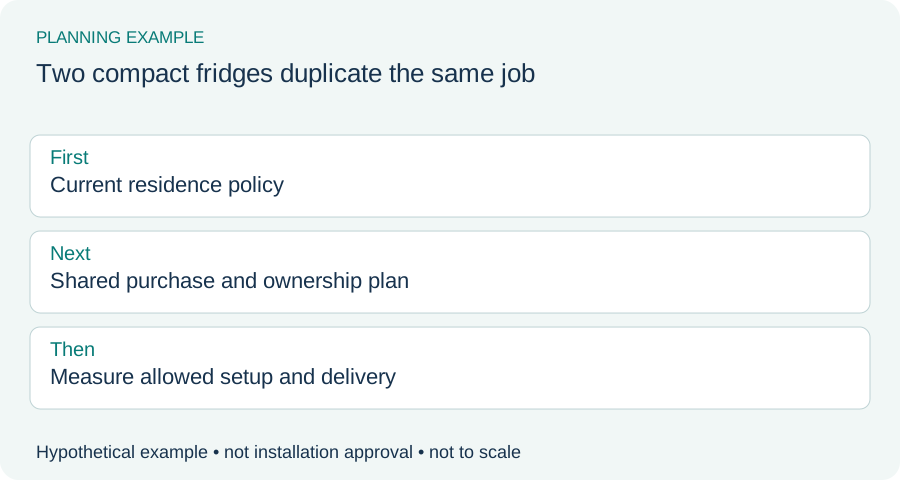
Example: two compact fridges duplicate the same job
Two roommates each plan to bring a fridge before comparing the residence policy or room layout. Pause both purchases, check the current written requirements, and agree which allowed appliance would be shared and who owns it. Then measure ventilation, access and delivery. This guide sets no universal wattage, capacity or bed-riser allowance.
| Check | Record | Watch for |
|---|---|---|
| Policy | Current residence document and exact appliance rule | Advice from another building substituted |
| Roommate plan | Shared use, ownership and move-out | Duplicate purchases made independently |
| Room | Supplied furniture and permitted arrangements | Bed raising or furniture removal assumed allowed |
See the measurements
Real products to compare with your space
These examples make the size tradeoffs easier to see. Open a product page for the complete fit verdict, setup notes, and retailer options.
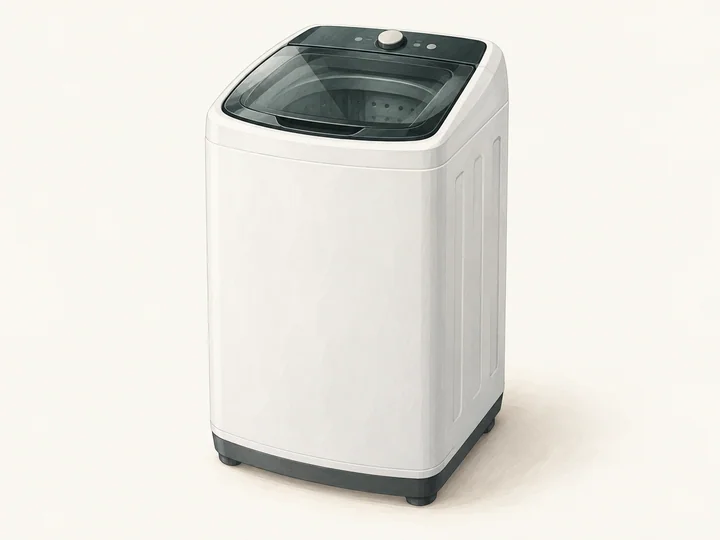
BLACK+DECKER BPWM09W
One person, very tight spaces, and small loads washed often
View fit details
VEVOR 31.5 Folding Desk
A work surface that can fold nearly flat between uses
View fit details
Command HOM23S-2ES
Tiny renter-friendly wall spots for small frames and lightweight décor
View fit detailsDo this before placing the order.
- Measure the destination. Include the full usable width, depth, height, and every fixed obstruction.
- Measure the working position. Add door, lid, hose, ventilation, loading, and walking clearance.
- Measure the route. Check doors, halls, stairs, elevators, corners, and the storage opening.
- Verify the exact model. Compare the manufacturer documentation with the listing before buying.
What this guide cannot decide
This guide cannot replace a university's current housing policy, fire-safety rules, accessibility guidance, electrical requirements, or room-specific instructions.